
We utilize our extrusion molding technology and expertise developed over decades in the manufacturing of mechanical pencil leads to create advanced micro ceramics.

We specialize in small diameter sizes that are traditionally difficult to manufacture in the form of rods and pipes.

We have the ability to form anything from a single pore to multiple pores by extrusion.

We provide high-precision products because we have optimized all processes, including raw materials.
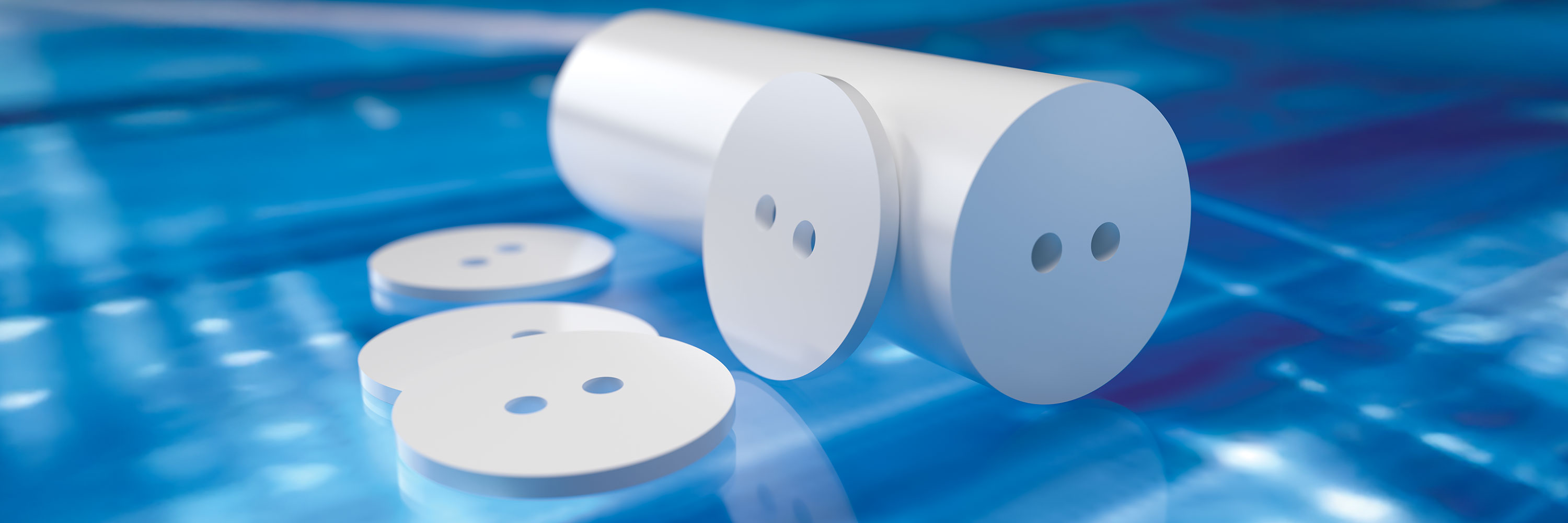


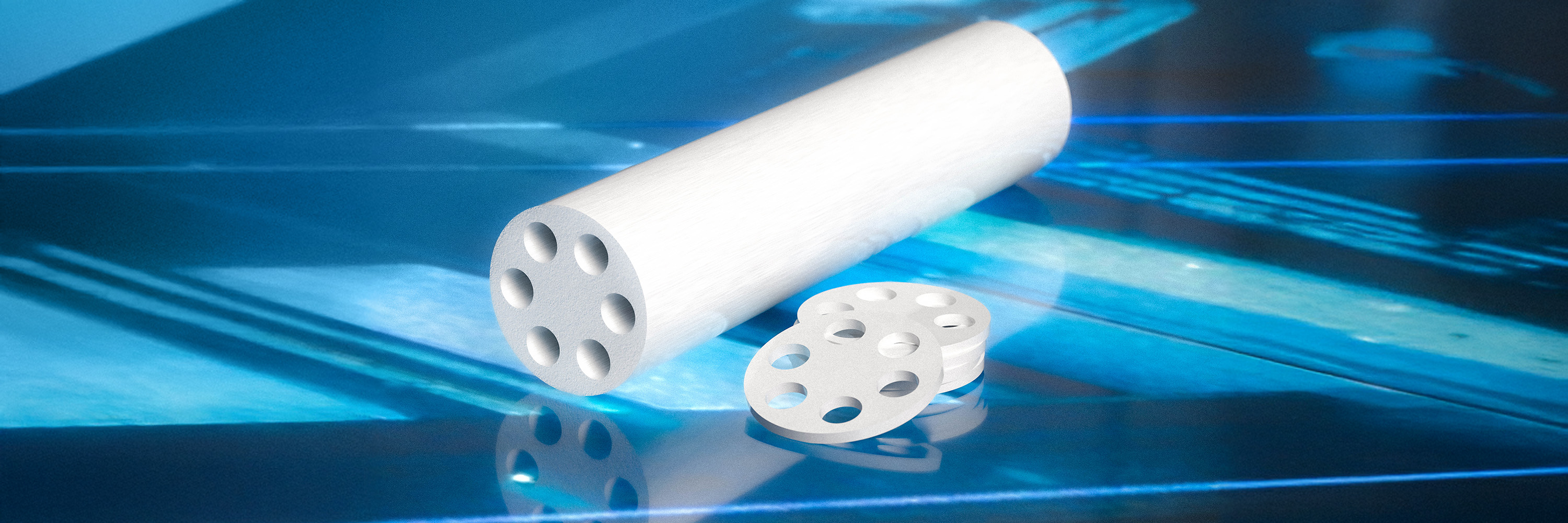

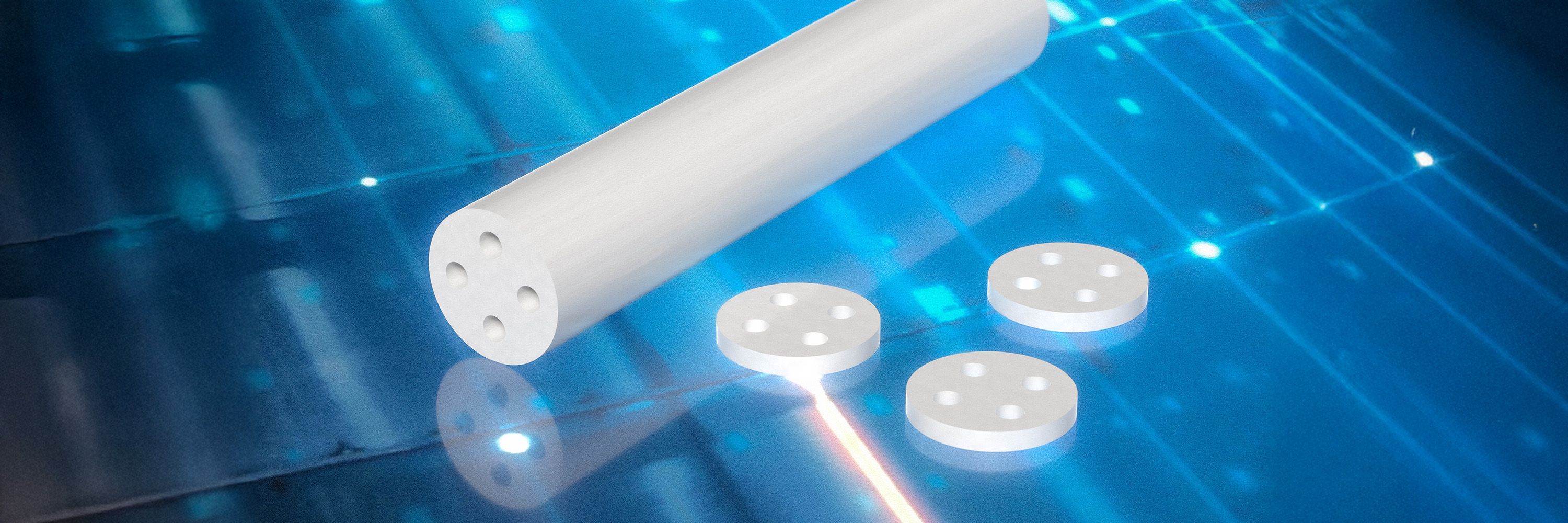
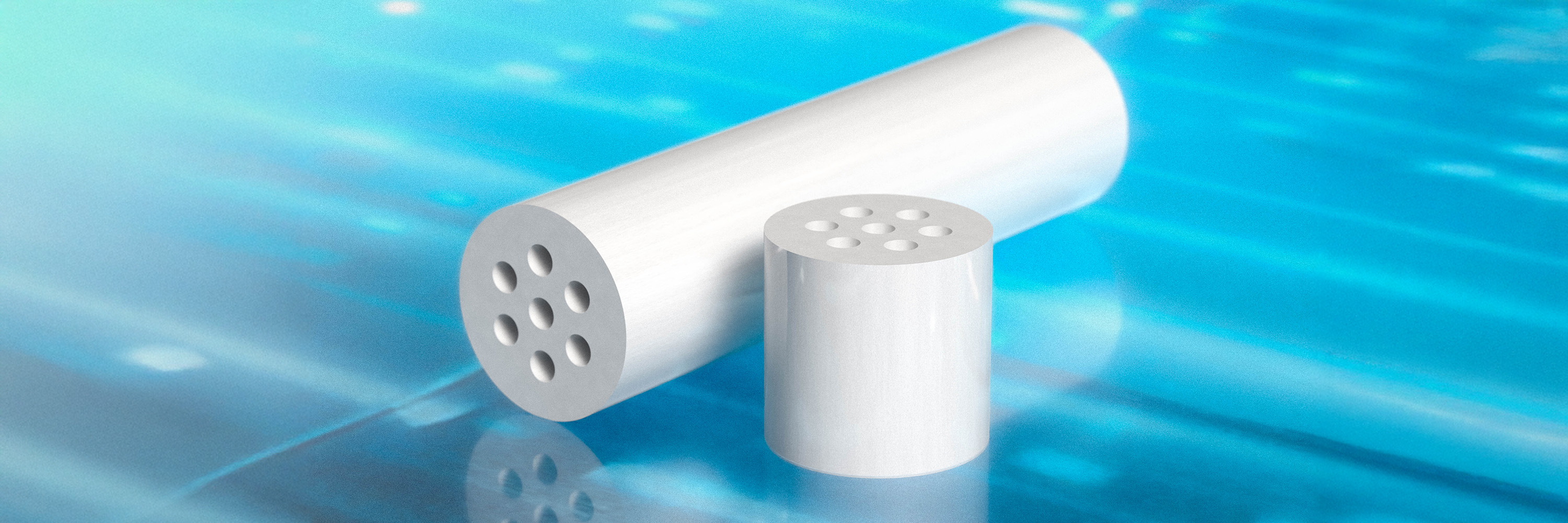
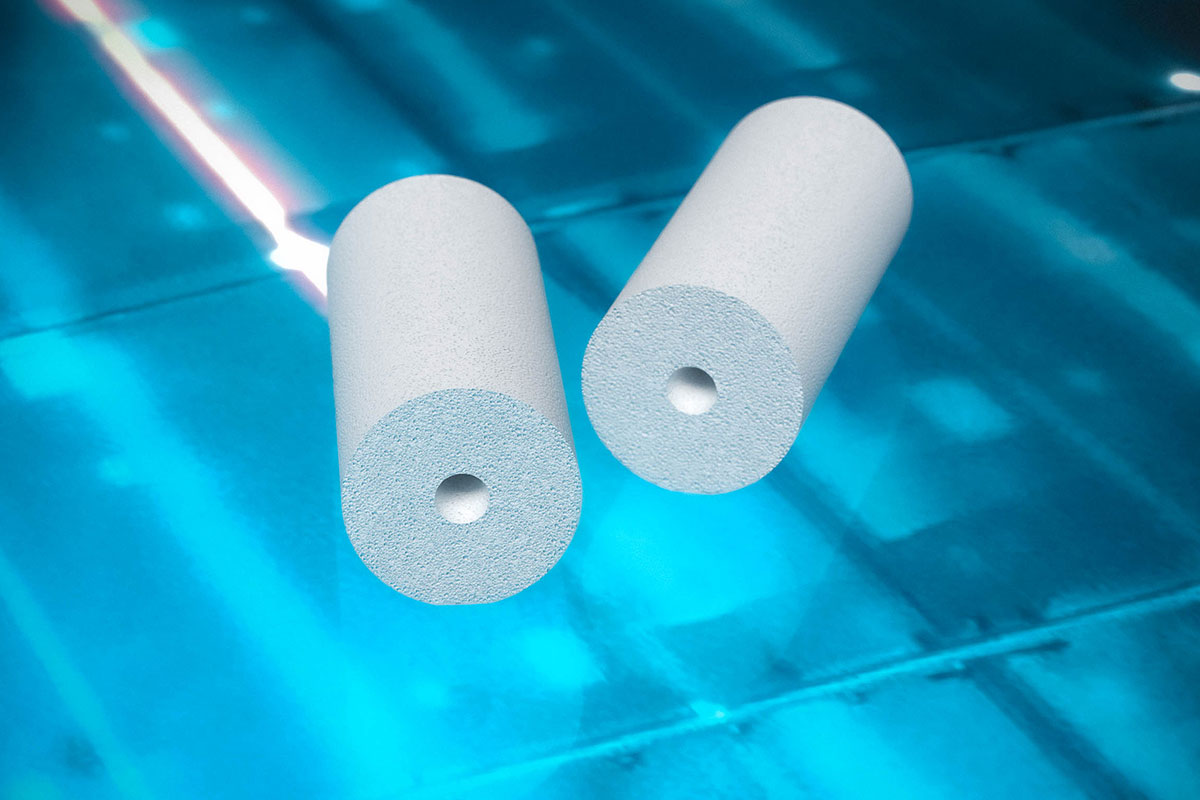
High aspect ratio holes perforate a molded article in the extrusion direction. Typically, with fine holes (pores) of less than 1mm in diameter, it is difficult to achieve an aspect ratio (depth/inside diameter) of more than 5–10 using only machining. Extrusion molding technology, however, makes it possible to manufacture articles having micropore aspect ratios of 200 or more. Even articles with various thin or thick wall characteristics can be achieved.
Uses:
• Flow rate controllers
• Sensor holders
• Insulators (e.g., glass)
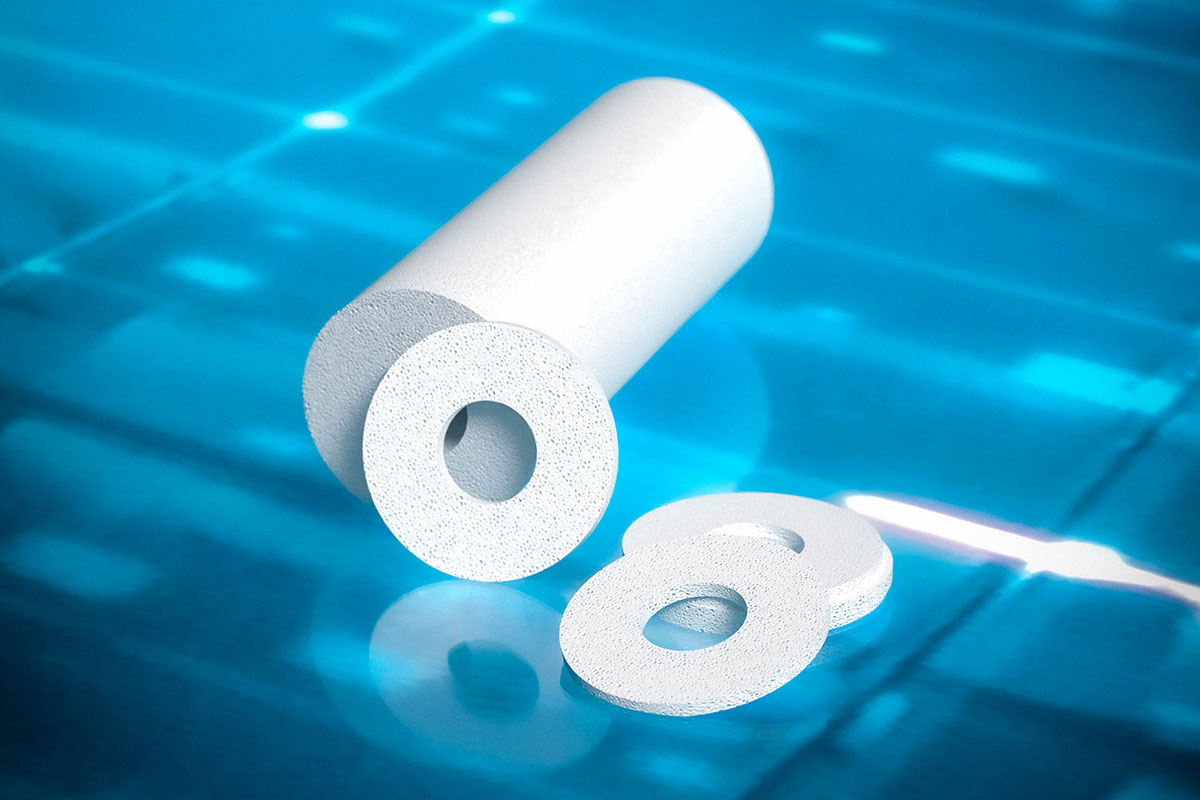
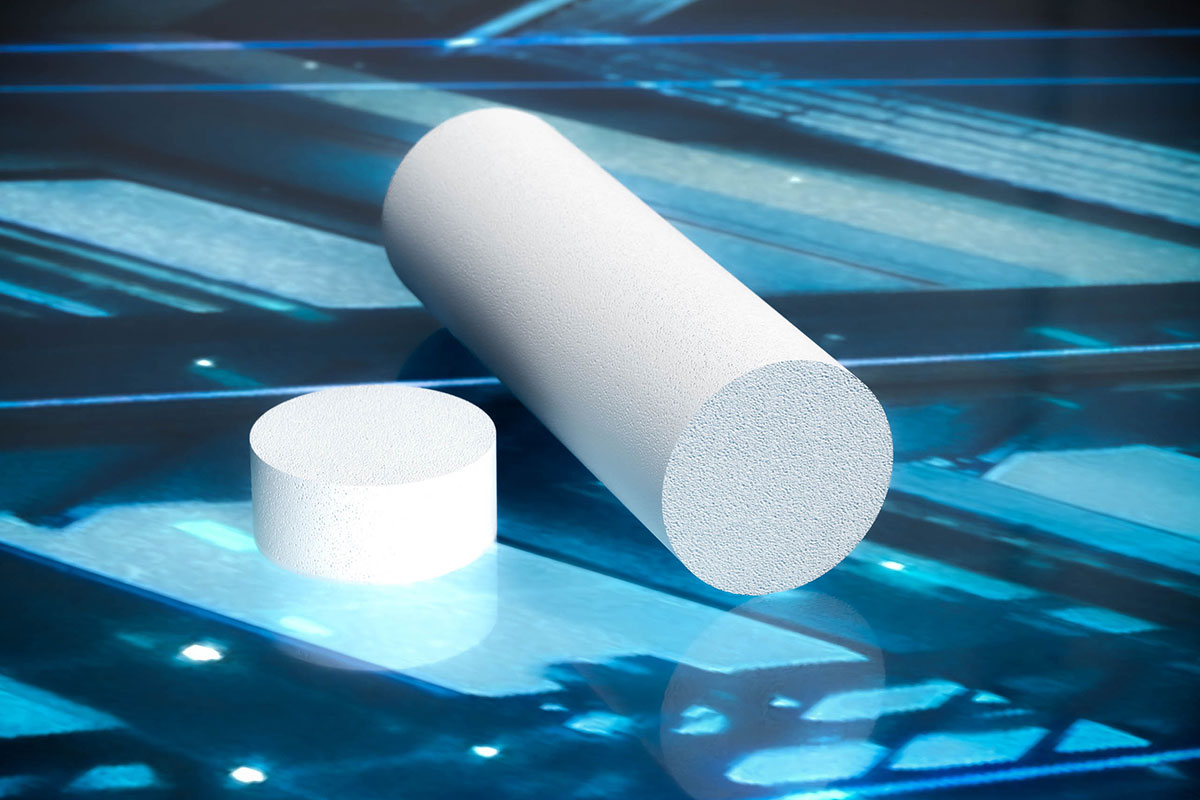
Porous ceramics can also be produced using micro-extrusion molding. Porosity of up to 70% can be set arbitrarily.
Uses:
• Filters
• Liquid holders
• Adsorption parts

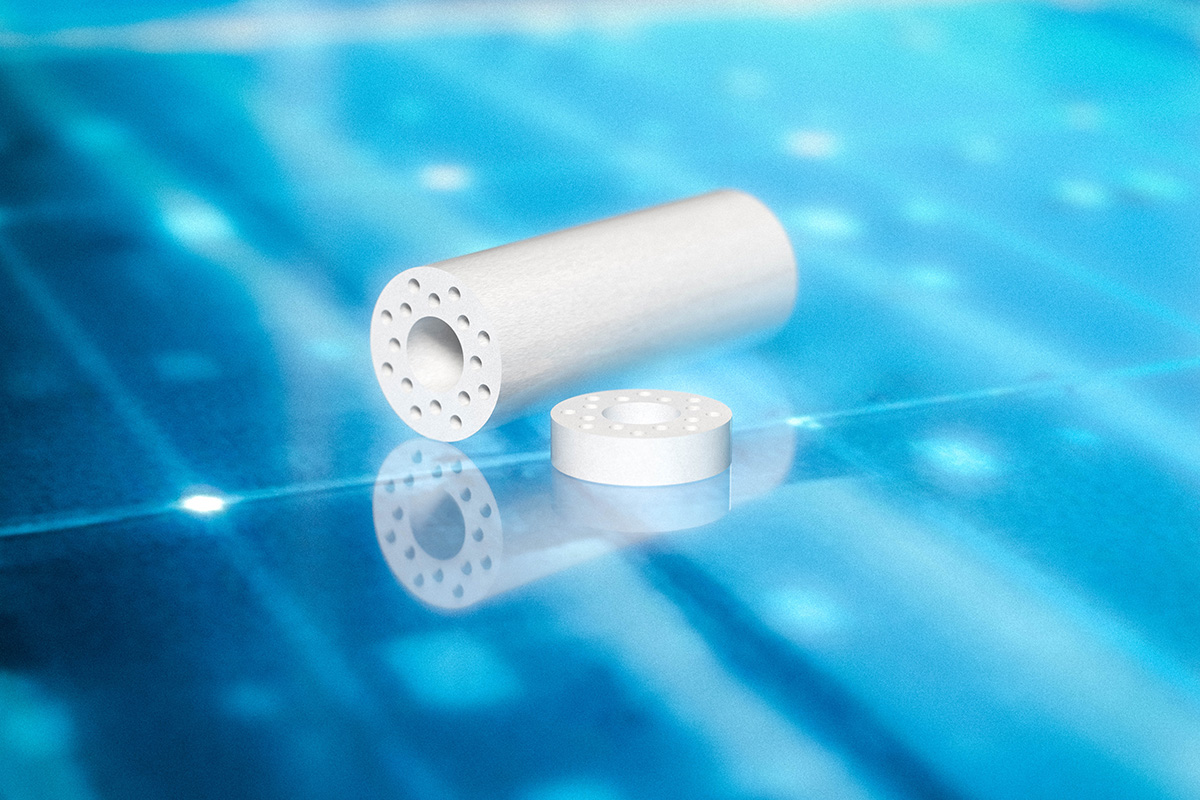


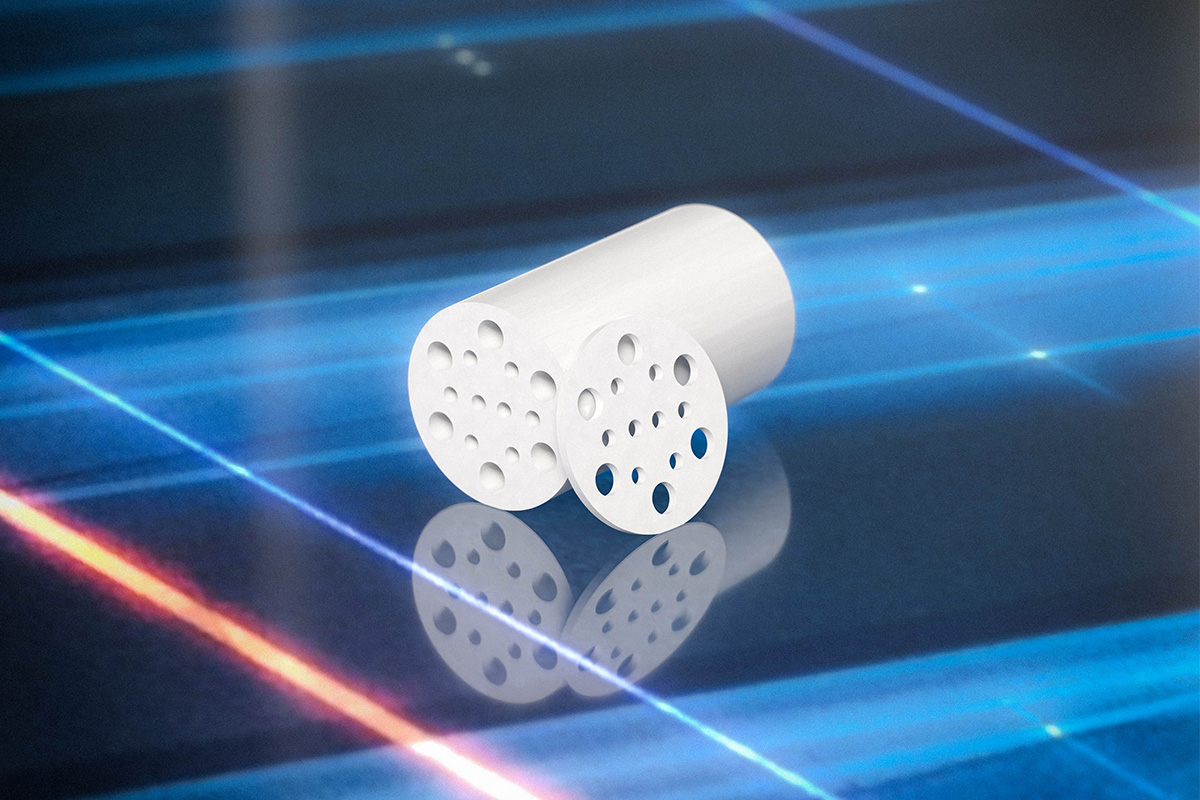


Progress in Pilot IS Advanced Ceramic technology has made it possible to combine an abundance of different external and internal shapes, which can be utilized in new applications. For example, articles having a rectangular external shape and a circular internal shape, or a gear-like external shape and a circular internal shape are possible.

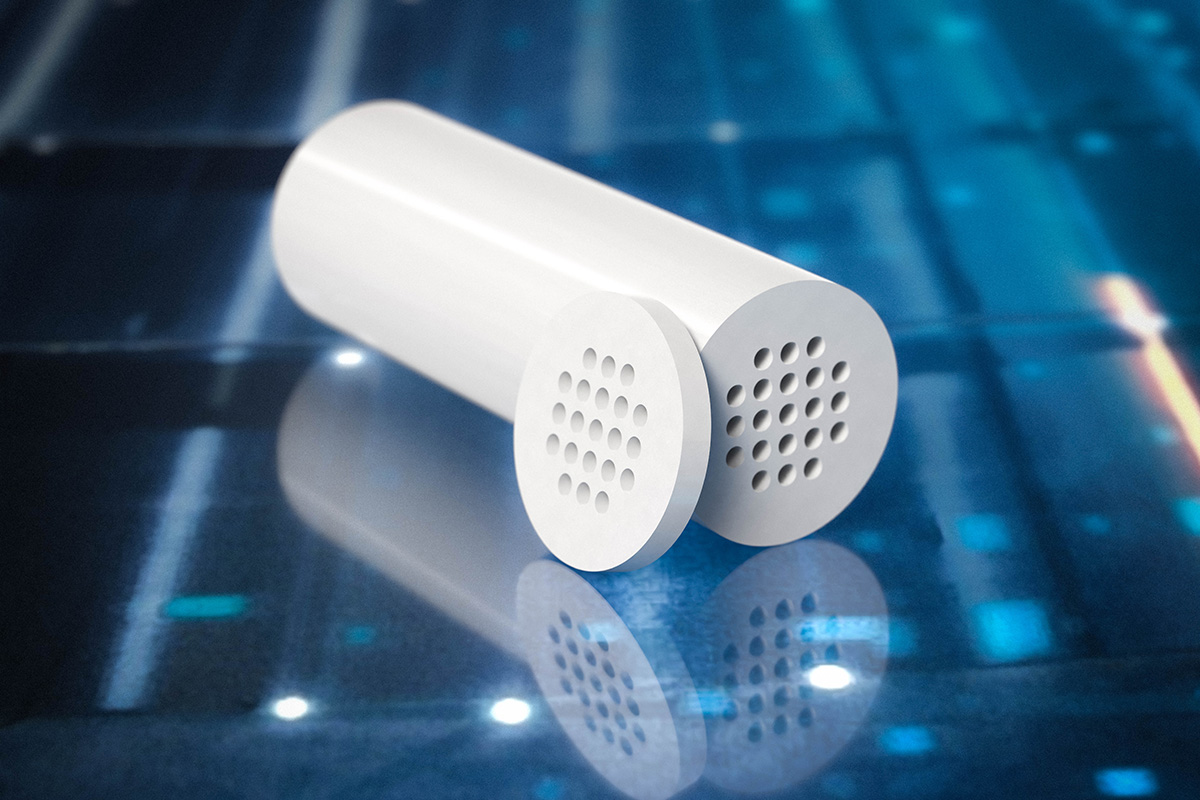

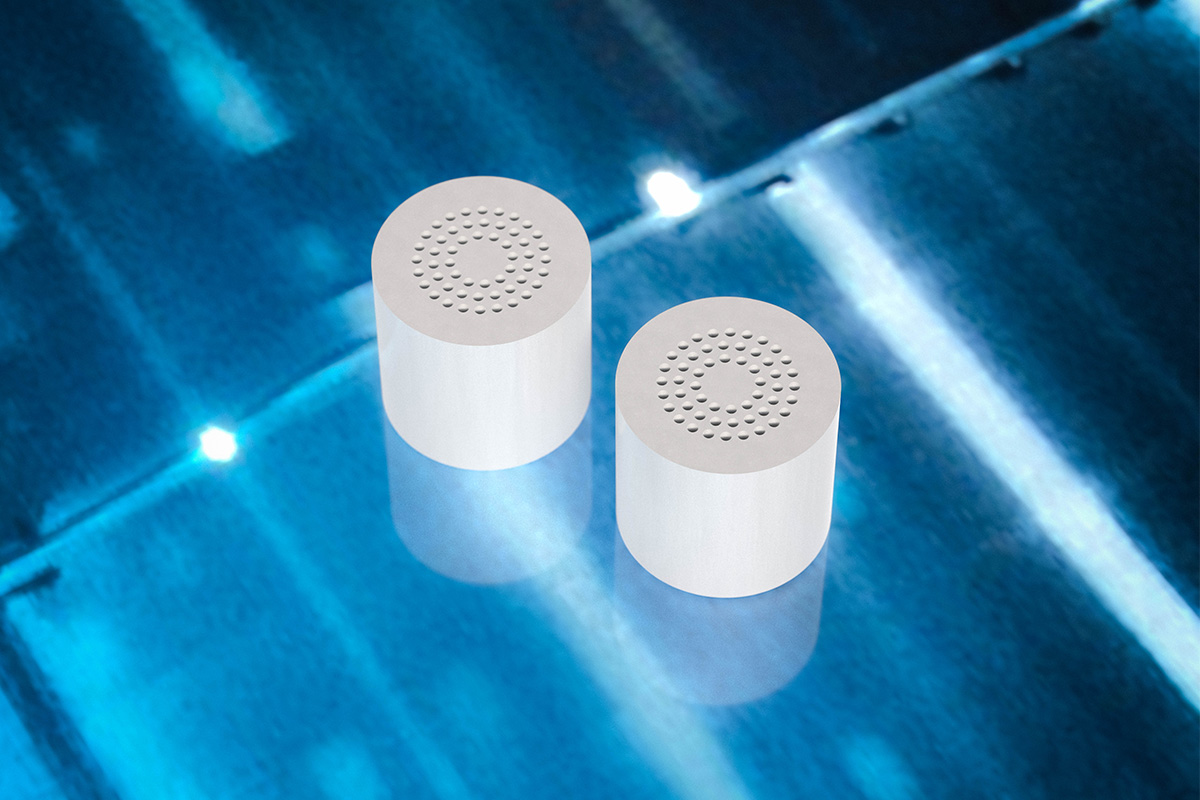
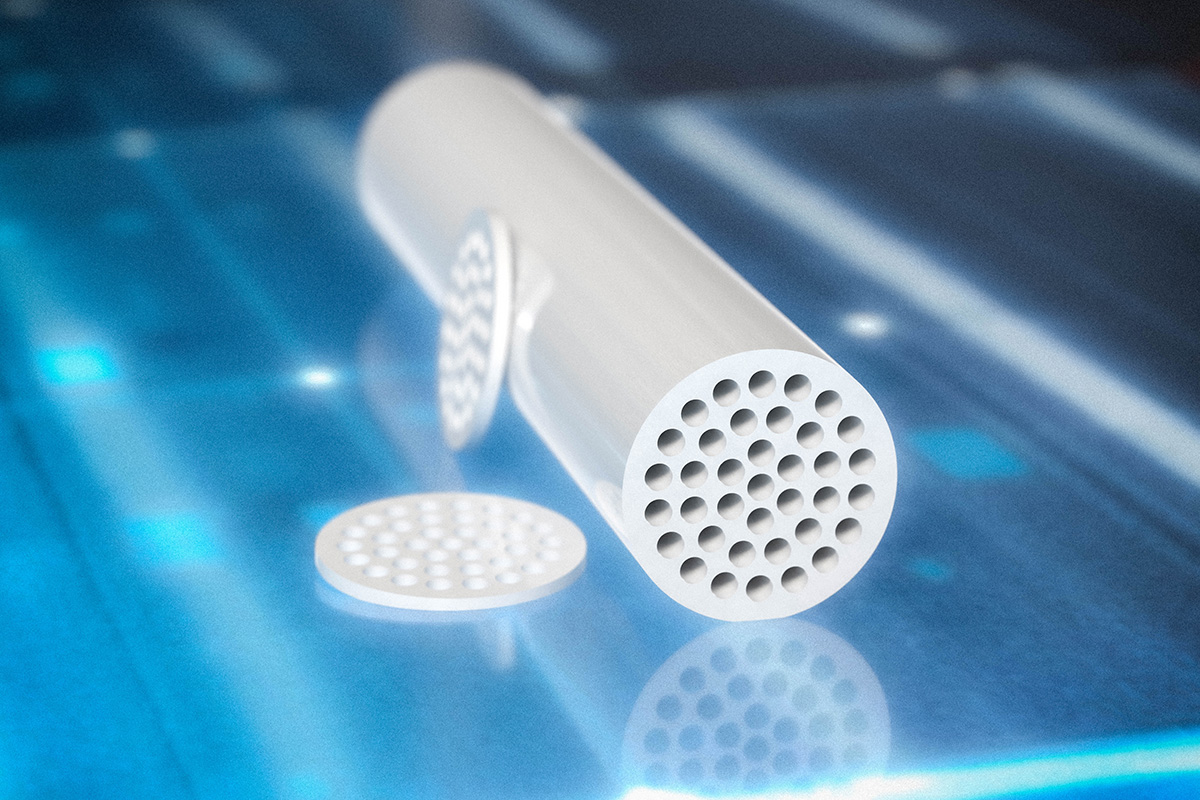
Pilot IS can produce porous ceramics where even hard-to-stabilize flow rates are achieved by through-holes formed in the extrusion direction. Tiny, high-precision and uniform holes are applied to achieve gas and liquid flow rate control. Unlike a typical porous body, extrusion-molded holes pass through the molded article linearly, enabling a uniform, stable flow rate, while minimizing pressure loss.
Uses:
• Semiconductor manufacturing equipment
- Filters
- Nozzles
- Baffle plates
- Flow rate controllers
- Microreactors
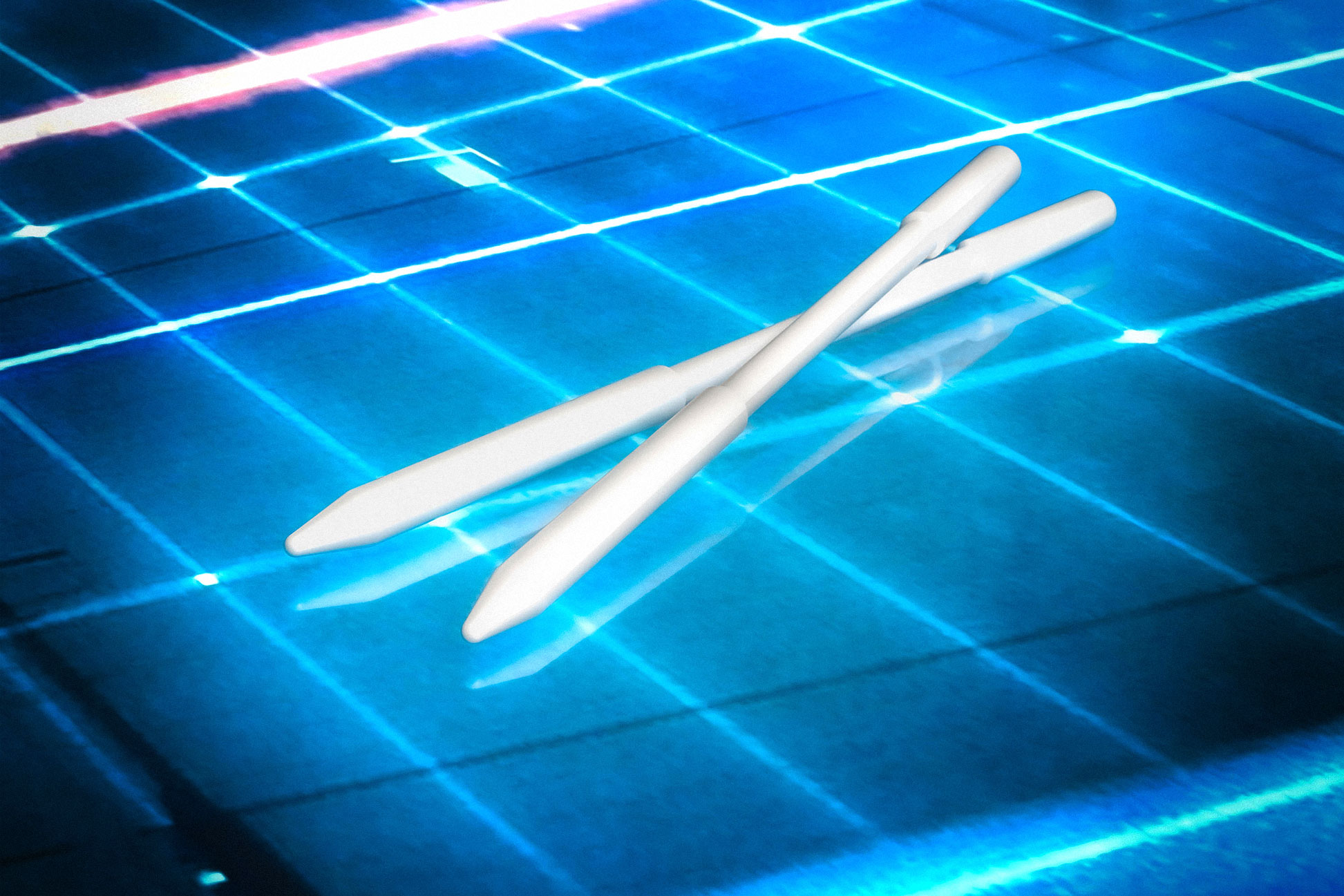
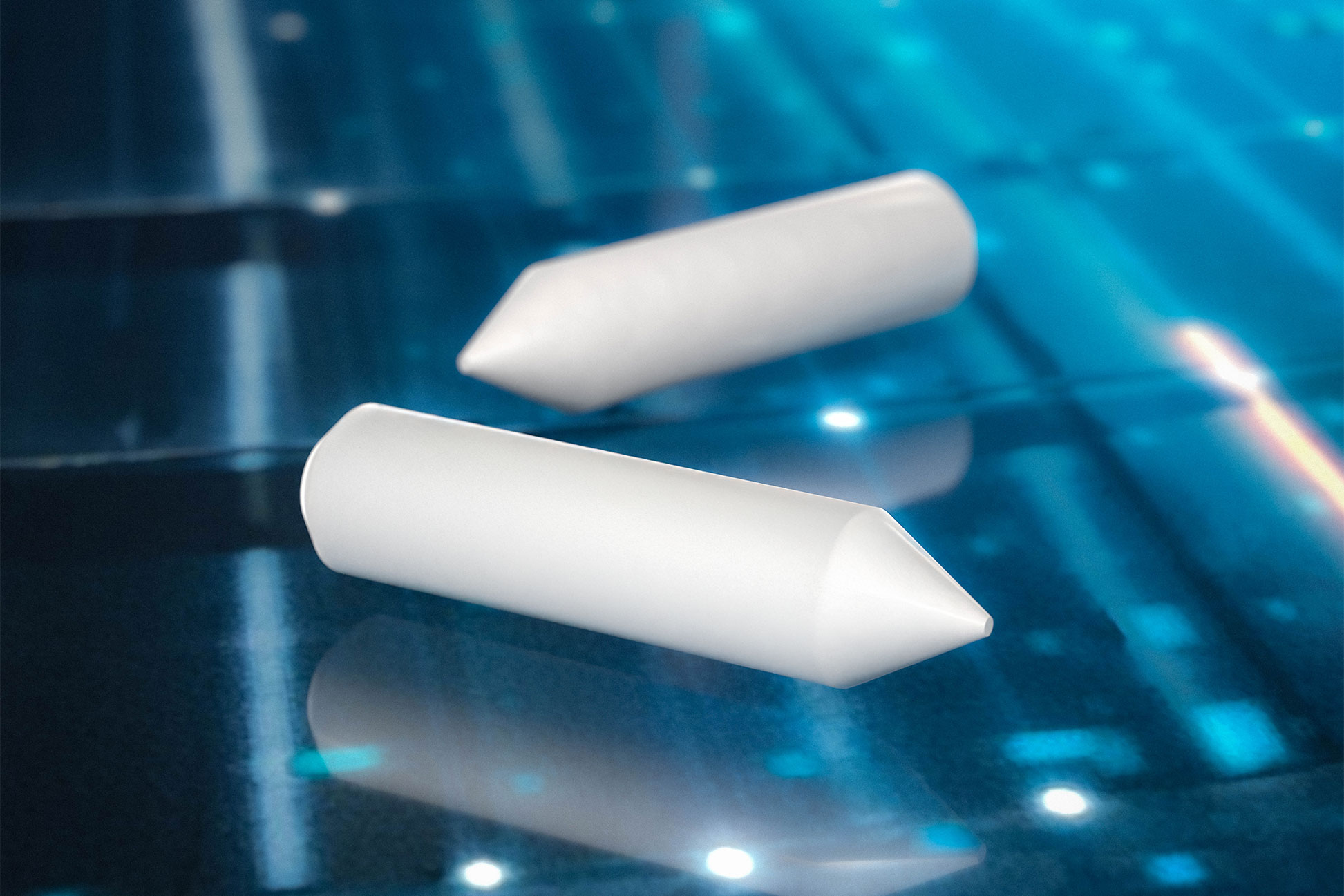
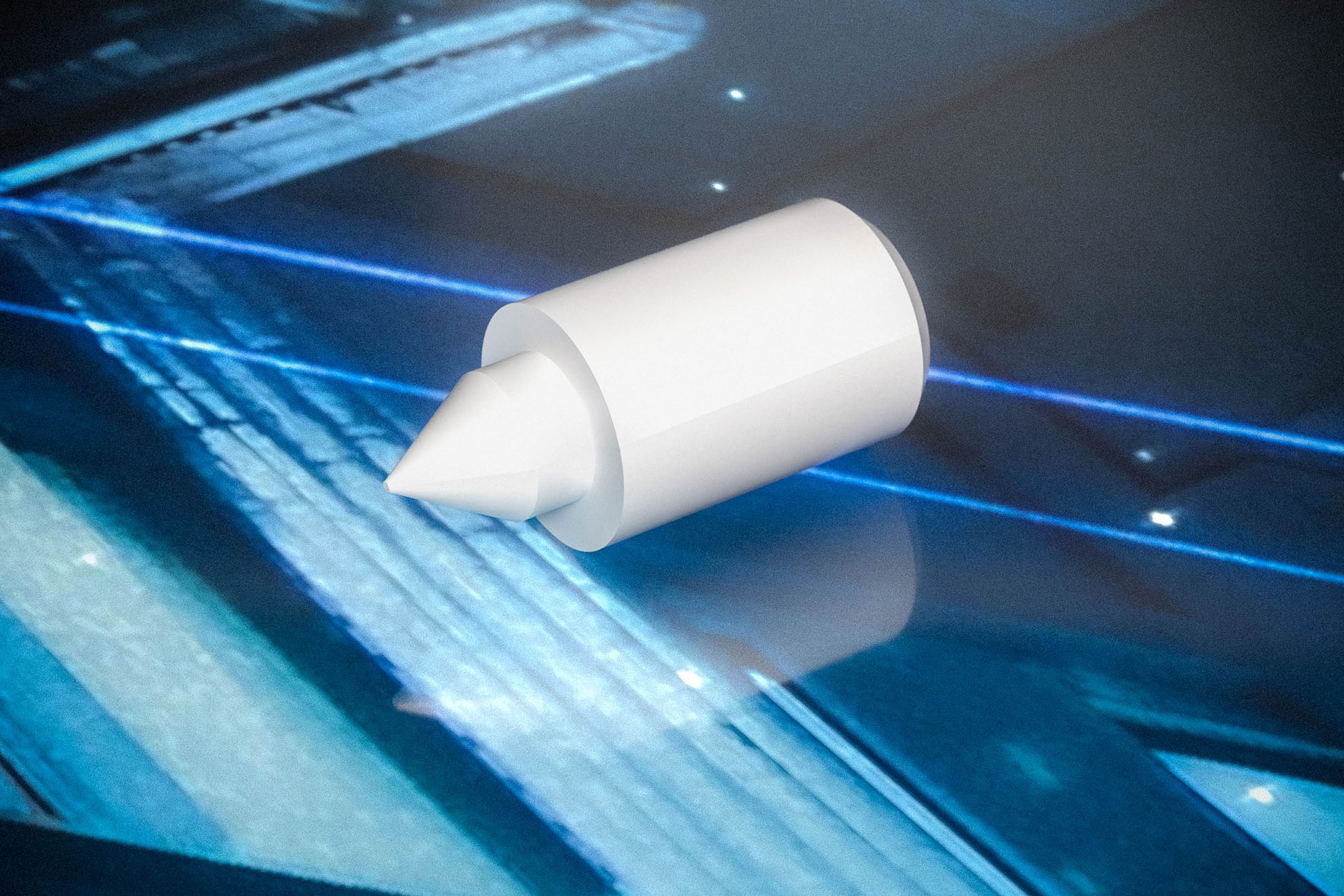
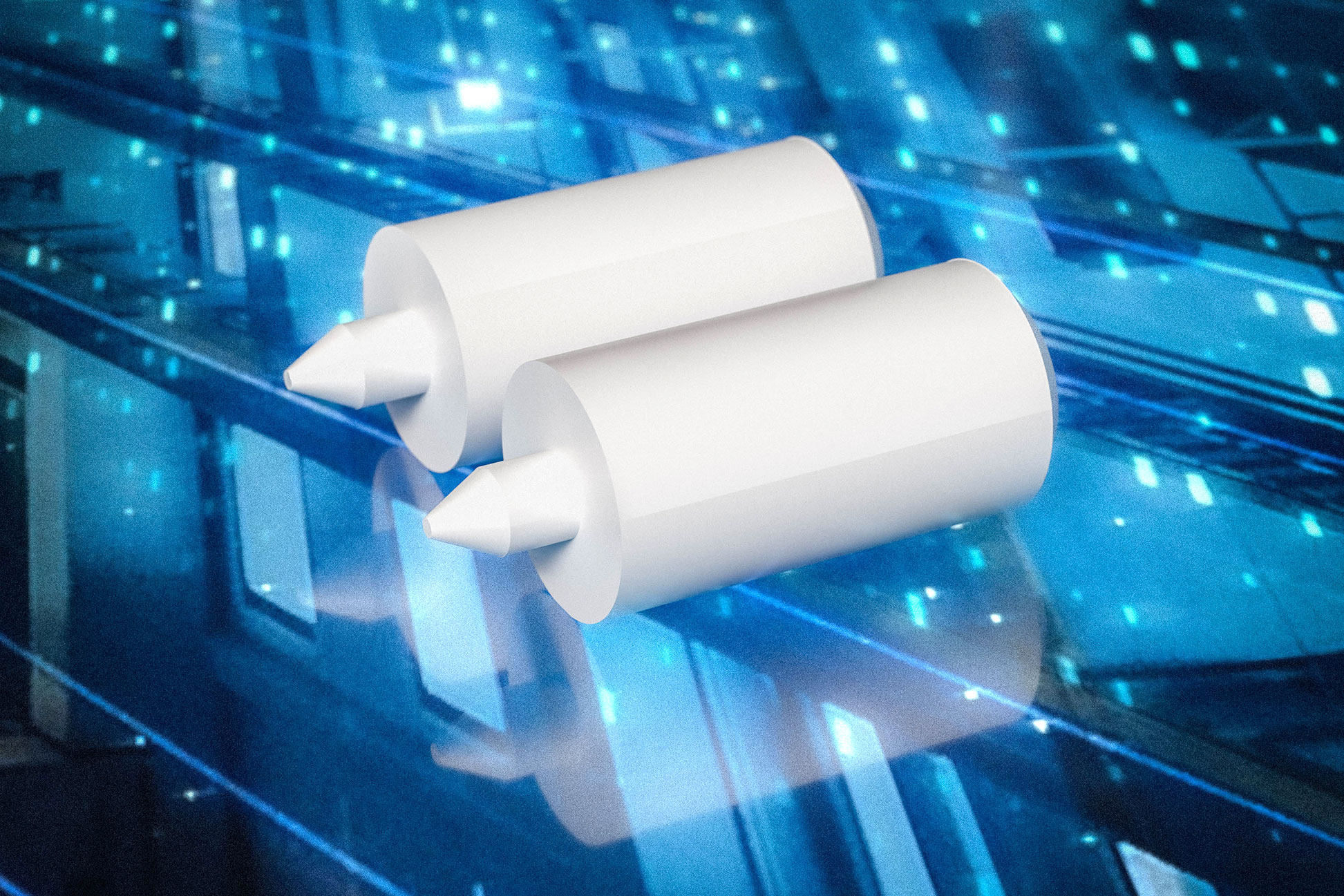
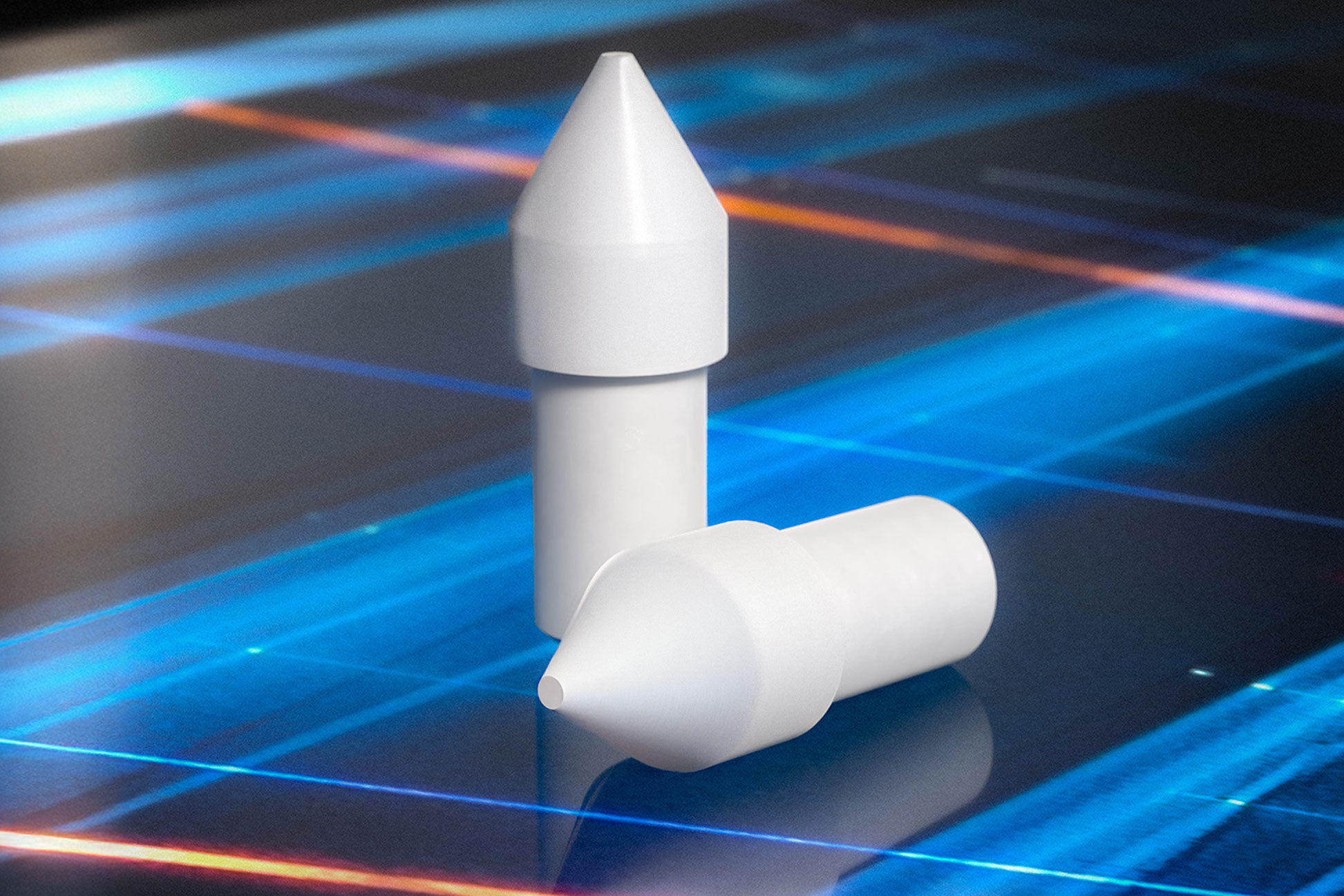

The production of articles with unique, disparate external and internal shapes for specialized needs. Pilot IS Advanced Ceramics can be subjected to high-precision submicron processing for Outside-diameter machining, Pore machining for pore sizes of Φ 40 μm or more and Enhanced surface finishing.
Uses:
• Electrode guide for electric discharge machines
• Sliding shaft components
• Rotating shaft motor components
• Ferrules for fiber-optic communications and device components
• Positioning pins
• Liquid chemical plungers


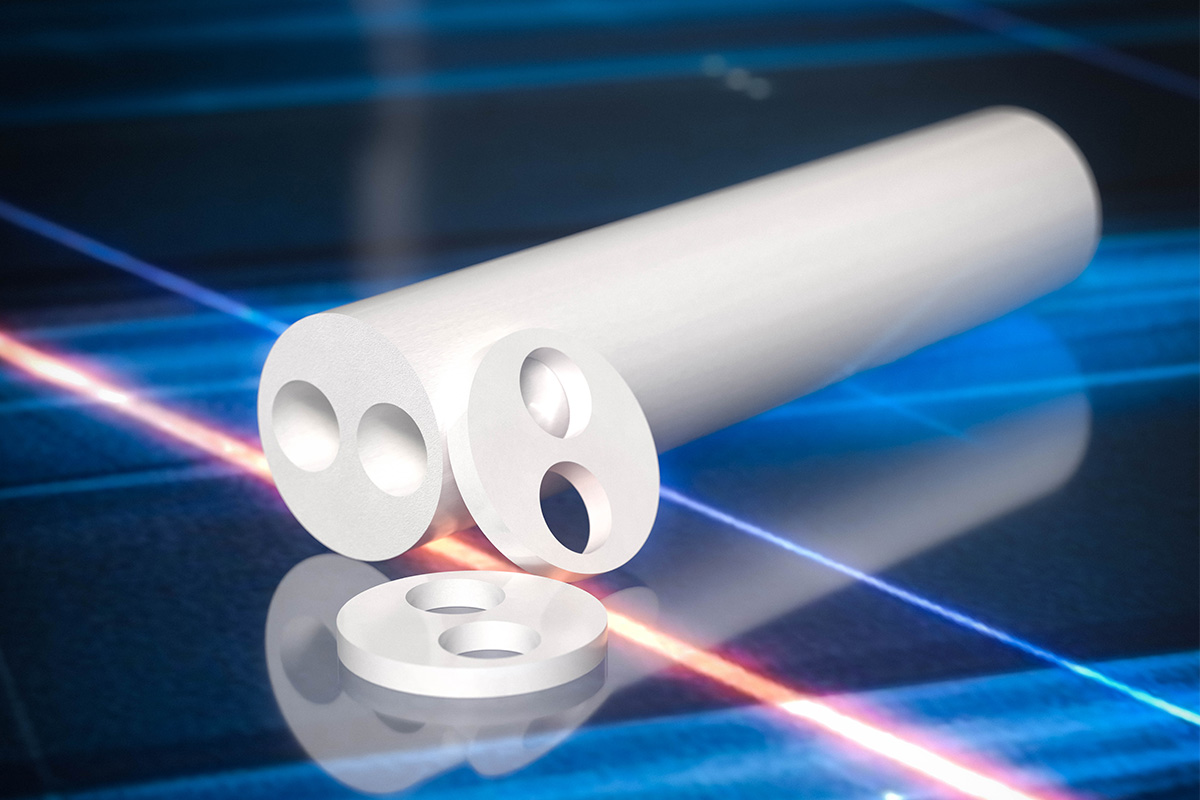

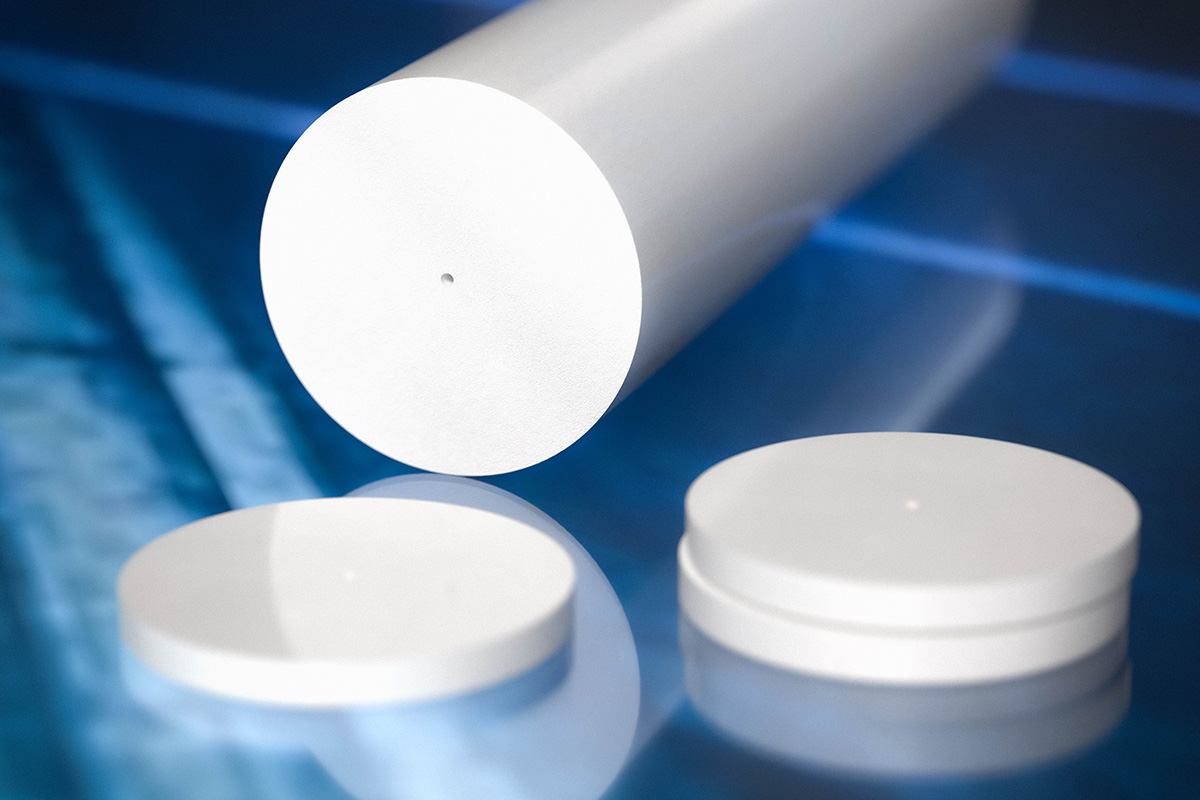


High aspect ratio holes perforate a molded article in the extrusion direction. Typically, with fine holes (pores) of less than 1mm in diameter, it is difficult to achieve an aspect ratio (depth/inside diameter) of more than 5–10 using only machining. Extrusion molding technology, however, makes it possible to manufacture articles having micropore aspect ratios of 200 or more. Even articles with various thin or thick wall characteristics can be achieved.
Uses:
• Flow rate controllers
• Sensor holders
• Insulators (e.g., glass)
Pilot IS can produce porous ceramics where even hard-to-stabilize flow rates are achieved by through-holes formed in the extrusion direction. Tiny, high-precision and uniform holes are applied to gas and liquid flow rate control. Unlike a typical porous body, extrusion molded holes pass through the molded article linearly, enabling a uniform, stable flow rate, while minimizing pressure loss.
Uses:
• semiconductor manufacturing equipment
• filters
• nozzles
• baffle plates
• flow rate controllers
• microreactors
Porous ceramics can also be produced using micro-extrusion molding. Porosity of up to 70% can be set arbitrarily.
Uses:
• Filters
• Liquid holders
• Adsorption parts
The production of articles with unique, disparate external and internal shapes for specialized needs. Pilot IS Advanced Ceramics can be subjected to high-precision submicron processing for Outside-diameter machining, Pore machining for pore sizes of Φ 40 μm or more and Enhanced surface finishing.
Uses:
• Electrode guide for electric discharge machines
• Sliding shaft components
• Rotating shaft motor components
• Ferrules for fiber-optic communications and device components
• Positioning pins
• Liquid chemical plungers
Advances in Pilot IS Advanced Ceramic technology have made it possible to combine an abundance of different external and internal shapes, which can be utilized in new applications. For example, articles having rectangular external shape and a circular internal shape, or a gear-like external shape and a circular internal shape.
Excellent insulation and heat resistance, good thermal conductivity and extreme chemical resistance.
Oxygen-ion conductivity, excellent heat-shielding properties and doped with 8mol yttrium oxide.
High strength (toughness), excellent thermal properties and aesthetics.
High thermal conductivity and electrical insulation properties that prevent distortion from heat.
ID: from ø0.02mm
OD: ø0.3mm– 8.0mm
Length: Up to 120mm
Ra: As requested
Tolerance: As requested
Straightness: As requested
Lorem ipsum dolor sit amet, consectetur adipiscing elit, sed do eiusmod tempor incididunt ut labore et dolore magna aliqua. Ut enim ad minim veniam, quis nostrud exercitation ullamco laboris nisi ut aliquip ex ea commodo consequat. Duis aute irure dolor in reprehenderit in voluptate velit esse cillum dolore eu fugiat nulla pariatur. Lorem ipsum dolor sit amet, consectetur adipiscing elit, sed do eiusmod tempor incididunt ut labore et dolore magna aliqua. Ut enim ad minim veniam, quis nostrud exercitation ullamco laboris nisi ut aliquip ex ea commodo consequat.
We use our integrated manufacturing plants in Japan and apply mechanical pencil lead extrusion molding techniques and expertise.
Using extrusion molding technology, we can produce ceramics that have extremely small holes and shapes that are long and thin.
We mainly focus on high-purity alumina, but also zirconia, aluminum nitride and yttria stabilized zirconia.
Pilot IS can produce most ceramics* in 60 – 90 days after receiving a purchase order. *The lead time is based on the product dimensions.
All of our ceramics are made by Pilot IS in our facilities in Hiratsuka, Japan.
Please contact us for more information.


